
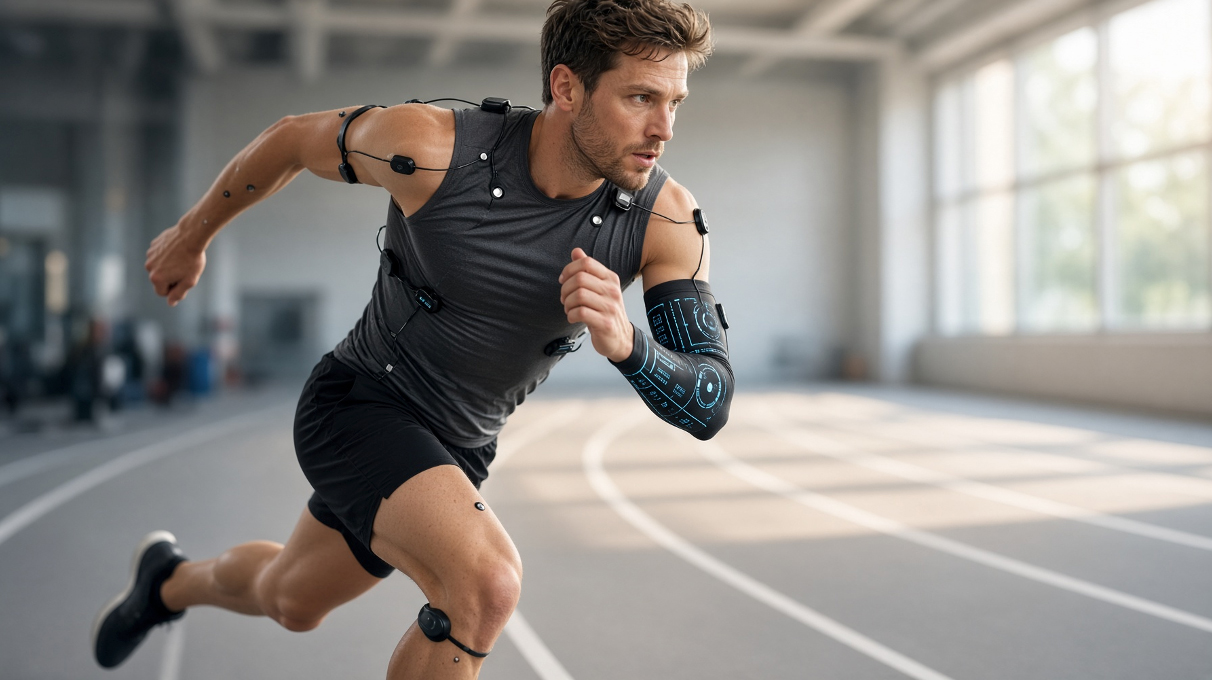
Millions of lives are disrupted by injuries at every level and stage of sport. Top coaches have access to vastly improved methods of analysing the load and strain placed on athletes, with video, data and sensors. Often the focus is on monitoring the risk factors and sensory information surrounding an athlete rather than specifically on the injury itself. See which methods and technology coaches are using, and how you can use them in your training.
Wearables and Sensors Are Changing Load Management
Wearable devices are becoming part of everyone’s training, whether professional or amateur. Training loads can be monitored and controlled at the individual level. In football, coaches rely on data collected using GPS vests to monitor player loads during training. Recreational runners can now track training loads, with data such as cadence and ground contact times.
The management of player load has also impacted the way fans think about upcoming matches and how injury news is communicated. Bettors have used this information to make decisions about which player props, match winner and total goal bets. Before matches, many fans also place bets in a live casino (Turkish: canlı casino) online against real dealers. Both activities reward thoughtful analysis of various types of data and tips.
Motion Analysis and Smart Equipment Protect Joints at Risk
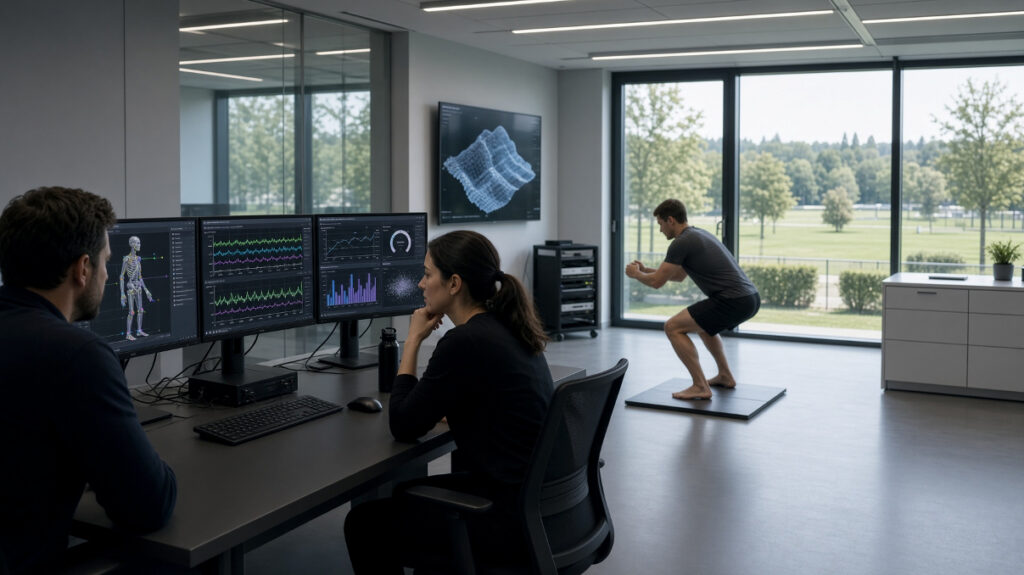
Motion capture can now estimate joint angles and landing patterns without markers or other lab equipment. Physical therapists are using this technology to identify movements that put strain on the knees, including collapsing inward during jumps. In a similar vein, smart mouthguards and helmets are capturing the force of head impacts. Though experts argue the readings are often inconclusive in predicting a concussion, clinicians are using the data as part of a larger body of evidence.
Many injury-obsessed fans would appreciate live odds and breaking news alerts about injuries all in one convenient place. Many bettors prefer to complete the MelBet app download (Turkish: Melbet app indir) before a big match so they can place pre-match wagers quickly. Being prepared is especially important if last-minute team news or injury announcements change the odds. Some quick, sharp thinking is required to determine the best time to place a bet. This requires the same calm, collected approach as pre-planning training and/or matches.
Predictive Analytics Turn Raw Numbers Into Early Warnings
Predictive analytics can use training load in conjunction with sleep, past injuries and match schedules to create an early warning system for when athletes may need rest. The NFL’s Digital Athlete initiative takes a different approach by using machine learning to glean insights from tracked player data and injury data to enhance safety. The outputs and insights are limited by the model’s ability to understand and capture random chance and personal factors that may lead to injuries.
To be useful, the outputs must identify potential areas of concern that may prompt staff to initiate a conversation with the player.
- Load alerts: Sudden jumps in weekly training volume may signal an upcoming strain.
- Asymmetry checks: Limb-to-limb (i.e. left/right) strength and movement comparisons may signal an imbalanced training load.
- Fatigue tracking: Reported soreness and sleep quality/duration may indicate fatigue.
- Recovery milestones: Post-injury training volume progression to safely return to previous training load.
Ultimately, coaches and trainers must use their judgment to interpret the data in the context of the player, the sport, and the game to inform the best course of action.
Technology Plays a Growing Role During Recovery
After an injury, technology can fill in knowledge gaps and give the healthcare team a better picture of the true extent of the injury. The pressure plate detects how evenly an individual pushes off the ground and, as a result, shows any strength deficits between the injured leg and the uninjured leg. Isokinetic dynamometers provide objective measures of strength for each joint. This can also be used to gauge a patient’s progress throughout their recovery, and can help replace the need for clinicians to make assumptions.
Many of the available applications can be used with or without the supervision of a therapist. Some of the applications help with exercise therapy and some help with physical therapy. There are many that provide real time feedback on a patient’s movement and form.
Findings indicate that results from remote rehabilitation for musculoskeletal conditions are comparable to in-person rehabilitation. Remote rehabilitation has the benefit of improved access for individuals living in rural and remote communities, as they no longer need to travel long distances to see a clinician in person. Remote rehabilitation can complement in-person clinical visits. Hands-on assessments are still required for the most complex and severe conditions.
Virtual reality is another related area, and early research is showing promise for training individuals on balance, and for assessing some symptoms related to concussions. Headsets can provide users with controlled visual stimuli, and are able to track head and eye movement. These tests are being researched for possible use in clinical and sports settings, but it is important to note that no existing headsets are able to diagnose a concussion.
How Everyday Athletes Can Use Injury Prevention Technology
Not all technology requires an expensive investment or complicated dashboard set up to benefit the everyday athlete. A basic smartwatch can help monitor training volume, resting heart rate, and sleep quality. Tracking these patterns can help coach if an athlete is overtraining and should take a rest day. Capturing video of squat form, jump squat form, or running form can also help a coach identify flaws in an athlete’s form. These suggestions can all be easily integrated into a daily routine for a low cost.
There are accuracy variances between different consumer devices, so readings should be considered more as estimates rather than true medical figures. Trends are often more useful than one off figures. Persistent pain, swelling or dizziness warrant further evaluation by a medical professional. Technology can help make decisions based on the info at hand, but it can’t truly replace bodily awareness.
There are also valid concerns about privacy, ownership, and how data is used when companies capture biometric data. Athletes have the right to be fully informed about what is captured, who can see it, and how long it is stored. Trust is essential to help people feel secure enough to report pain and fatigue. Each league and team should review the data protection policies of the countries they operate in and decide which policies best protect athletes over the long term. This will help protect the program and its players.
Most technology works best over a solid foundation, and progressive training, quality sleep, nutrition, and strength work make up that foundation. Structured strength and neuromuscular warm-up programs have been linked to lower injury rates in various sports. Consistent use of those programs has been correlated to improved adherence to habits, progress and rewards. A well-balanced, comprehensive program takes all of the above into consideration and provides for smart technology tools. While technology can help accelerate the process, habitual and incremental changes usually provide better and longer lasting results.
Smarter Training Starts With Informed Choices
There are lots of great new technologies that help measure and analyze an athlete’s movement and girdle-based loads. They can even assess healing and rehab progress. They each have a place to help identify emerging issues before they turn into major problems and help facilitate more informed discussions. Rather than trying to avoid all injuries and perform at 100%, it’s more effective to use the information these gadgets provide to develop a sound overall plan for a healthy return to sport and then be mindful of the steps to effectively guide your training to ensure progress toward your goals.